
Independent AI & Backend Automation Engineer
Scheduled workers
Reports and monitoring
Payment access logic
Operational workflows
Python-based backend logic, scheduled workers, background tasks, reports, monitoring and operational workflows.
Can this workflow run automatically and notify the team only when action is needed?

Yes. The system can process the data, trigger the workflow, update records and send a clear summary.
Ask anything…
AI-assisted workflows, internal assistants, structured prompts, automated decisions and business process automation.


Telegram, Binance, Stripe, OpenAI, Google Sheets, CRM tools and custom external API integrations.
Database-driven reports, analytics, user settings, status tracking and operational visibility.
Payment & Access Systems
Subscriptions, payment flows, user plans, access control, webhooks and permission-based features.
Interfaces: Telegram / Web / Internal Tools
Telegram bots, web forms, dashboards, admin panels and user-facing workflow interfaces.
AI
API
Pay
Jobs
Reports
DB
Shows ability to build complex backend automation systems with multiple connected layers.
Ideas
Research
Scenarios
Reports
Memory
Ops
Shows ability to build AI-assisted workflow systems for planning, decision support and operational execution.
Engineering capability
Independent engineer
Backend Workers & Scheduling
Built scheduled jobs, background tasks, report generation, monitoring flows and operational automation.
API & Integration Layers
Connected external APIs, AI services, payment systems, data sources and backend pipelines into working systems.
AI Workflow Logic
Designed structured prompts, AI-assisted decisions, internal assistants and workflow automation logic.
Payment & Access Control
Built subscription handling, payment flows, webhooks, access control, user plans and permission-based features.
Database-Driven Systems
Designed database logic for users, settings, generated records, reports, status tracking and system state.
Reporting & Monitoring
Built reporting flows, operational visibility, logs, status tracking and decision-support outputs.
Backend
Python, AsyncIO, Aiogram, FastAPI, REST APIs
AI
OpenAI API, prompt logic, AI analysis, agent workflows
Databases
SQLite, PostgreSQL, JSON cache, reporting tables, user settings
Infrastructure
Linux VPS, schedulers, workers, logs, monitoring, background processes
Payments
Stripe, crypto payments, subscriptions, access control
Integrations
Telegram API, Binance API, external APIs, Google Sheets / CRM-ready flows
Have a workflow question? Send the details and I’ll help identify what can be automated.
What types of workflows are best suited for automation?
Repeatable workflows with clear rules, data sources, approvals, reports, notifications or manual handoffs are usually the best fit.
How do you analyze a workflow?
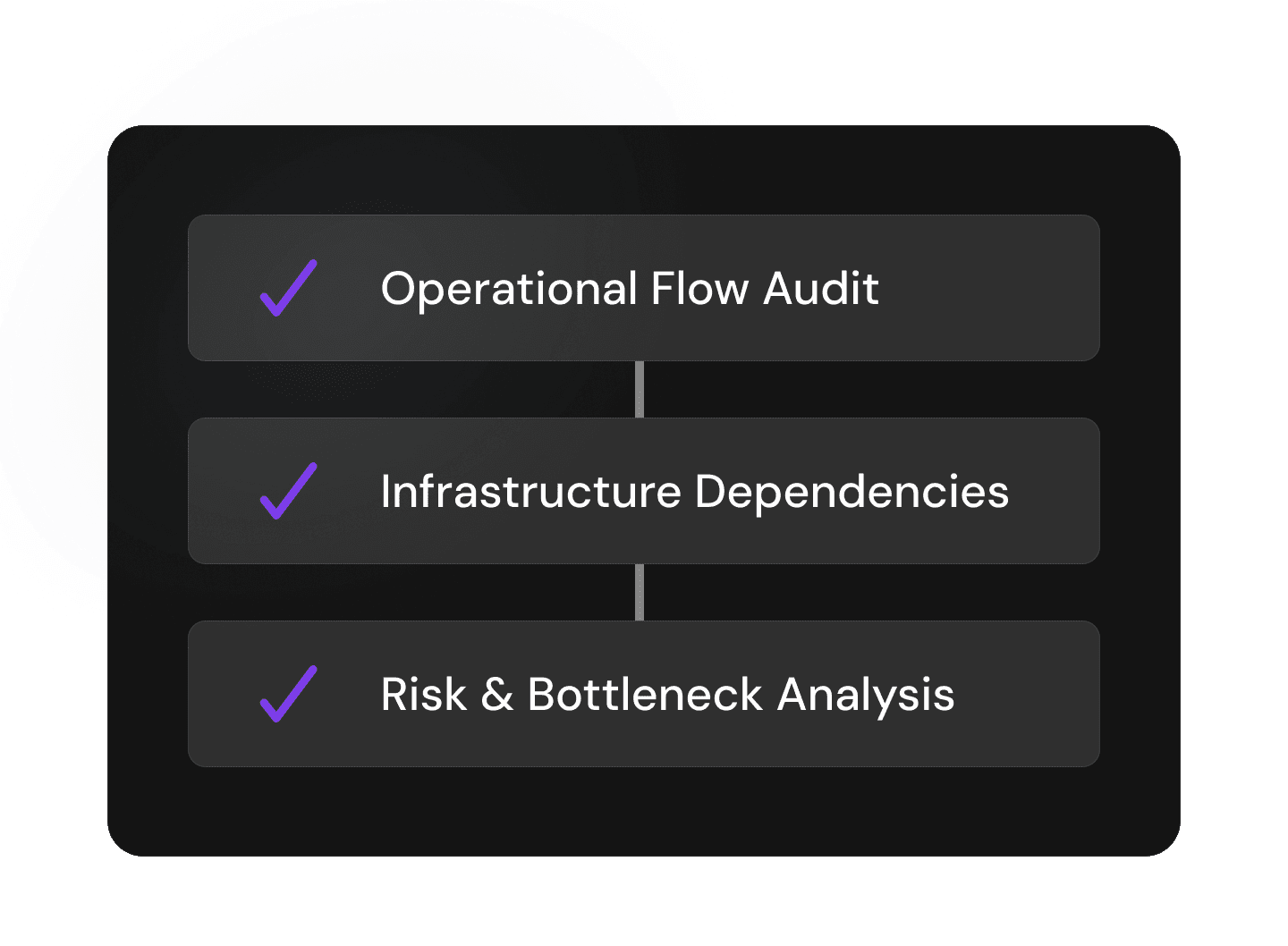
I map the current process, identify manual steps, data sources, integrations, risks and bottlenecks, then turn it into a technical scope.
Will automation disrupt existing operations?
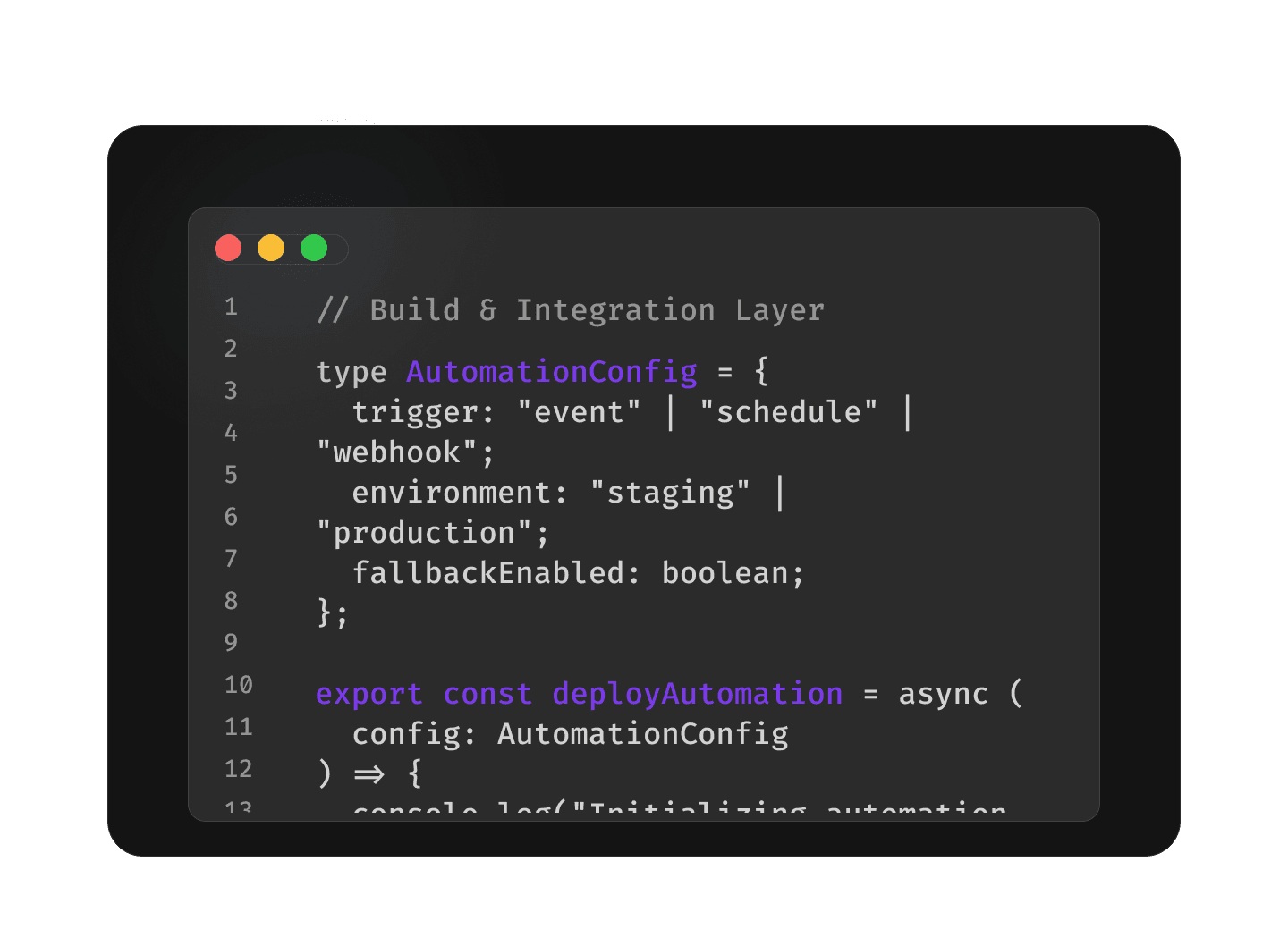
No. I usually build in phases: first the core workflow, then integrations, testing, monitoring and production rollout.
How long does implementation take?
Small automation systems can take 1–2 weeks. More complex systems with APIs, payments, databases and workers usually take 3–8 weeks.
Can this scale beyond an MVP?
Yes. I separate the interface, backend logic, workers, database and integrations so the system can grow without being rebuilt from scratch.
How do you handle security and access control?
I avoid exposing secrets, separate sensitive configuration, use permission-based access, validate external inputs and design the system with logging and monitoring.